Walk right into any busy bail agency and you will certainly see phones brightening, situation files piled next to laptops, and bail bondsman toggling in between courthouse sites and their own software application. The business has constantly moved fast, however what used to need late-night drives, carbon-copy types, and a pile of phone cards currently runs through a stream of digital devices. Technology has actually not changed the core promise of bail bonds, which is to aid customers regain their liberty while the court procedure unfolds. It has actually changed the speed, transparency, and liability around that promise.
I have worked with bail bondsmans that still maintain a natural leather ledger on the desk. They could whine about yet another login for an e-filing system, then quietly admit they closed three bonds last week from a tablet computer in the traveler seat of a tow truck. The gains come piece by piece: a smoother intake, a much safer way to gather payment, a court reminder that actually sticks. The culture adheres to the energy. When a tool aids a customer get home tonight instead of tomorrow, it becomes part of the job.
What "innovation" actually suggests in a bail context
The term covers a broad spread of tools layered over the same daily jobs: intake and certification, underwriting and danger analysis, costs collection, documentation compliance, court look monitoring, and recuperation efforts when someone falls short to show up. The fundamentals look like this: cloud-based instance administration platforms, e-signature for bond kinds, mobile settlements and recurring billing, court information combinations for routines and instance updates, interaction devices for reminders and check-ins, general practitioner or check-in apps for conformity tracking, and analytics for efficiency and risk.
Every market has its own peculiarities. A country region without trustworthy cell coverage asks for a various strategy than a thick city with numerous court houses and revolving courts. The very best firms customize the stack to the neighborhood setting and then refine it one workflow at a time.
Intake and the first hour: speed with judgment
In bond work, the first hour matters. Families frequently call after midnight with partial details and high anxiousness. Historically this implied driving to the prison to collect information and a signature. Today a bondsman can message a safe web link to a mobile-friendly intake, draw the reservation sheet directly from the sheriff's website, and obtain an e-signature on required disclosures while the co-signer sits in the car park. That does not replace human judgment. It makes space for it.
A practical consumption circulation normally integrates 3 aspects. First, identity and standard instance data, including the scheduling number, cost, bond amount, and court jurisdiction. Second, co-signer details and work confirmation. Third, a fast certification pass that flags obvious concerns such as energetic warrants or prior failings to appear. Much of this can be prefilled from law enforcement information feeds, then validated by an individual. The difference in between a 20-minute mobile intake and a two-hour relay of phone calls can be the difference between posting before a shift modification or waiting until morning.
A tiny agency I worked with shaved their average intake-to-post time from 3 hours to 55 minutes after relocating to digital kinds and in-jail e-signature. The modification did not come from one magic tool. It came from eliminating handoffs that added friction and hold-up. They still called households to review danger, but they utilized the time saved to ask better questions.
E-signature and document integrity
Bond files are document-heavy: applications, indemnity arrangements, disclosures needed by state regulation, premium invoices, collateral paperwork, and notifications concerning court obligations. E-signature confirms identification by integrating email or message confirmation, IP logging, audit tracks, and occasionally knowledge-based verification. Some states need additional steps such as notarization. In those markets, remote on the internet registration, where permitted, can press timelines dramatically.
There are trade-offs. Courts and departments of insurance anticipate exact conformity with kind language and trademark placement. A careless digital process that misplaces initials or stops working to catch a timestamp can create migraines throughout audits. Good platforms lock forms, apply state-approved layouts, and create a solitary, searchable packet. That conserves hours when a court clerk asks for a copy on brief notice or an auditor demands files from the last quarter.
E-signature has likewise changed how firms manage co-signers who live out of state. It made use of to mean mailing and scanning or scheduling traveling. Now the agency can secure signatures in mins, then concentrate on underwriting whether those signatures indicate anything. A digital signature adds comfort; the threat still lives in the individual's capability and willingness to pay.
Payments that match reality
Premium collection has never been one-size-fits-all. A lot of customers do not have a number of thousand bucks being in a checking account. Innovation has actually expanded the menu without eliminating the requirement for candid honesty concerning price. Agencies now commonly accept mobile card payments, ACH transfers, pay-by-text links, and split payments throughout several payers. Repeating invoicing for layaway plan works on predictable cycles with automated notifications and fell short payment signals that prompt outreach prior to a misbehavior spirals.
These devices aid both sides. Families can pay from the prison lobby, on a building website during a break, or from a pc late at night. Agencies reduce cash handling dangers and integrate accounts much faster. The risk depends on treating automation as a substitute for judgment. I have actually seen firms authorize layaway plan that looked penalty theoretically and afterwards collapse because the client lost a job the following week. A good system connections billing to check-ins and remains alert to life modifications that influence capacity.
Chargebacks are an additional difficult reality. Card networks prefer consumers, and a disagreement can ice up funds for weeks. To decrease direct exposure, firms collect clear authorizations, shop proof of solution, and maintain interaction records inside the situation documents. Some choose ACH for bigger quantities because it brings lower charges and fewer disputes. Others call for a minimum in money or cashier's look for high-risk bonds. The factor is to use the payment device that fits the risk account, not the one that is most convenient in the moment.
Case management that really takes care of the case
At the center of a modern bail procedure is a situation administration system that operates as the shared brain. This is where the intake, papers, payments, court days, and interactions assemble. The better systems offer role-based permissions so a staff can send pointers while the owner sees efficiency dashboards and the representative in the area sees check-in standing. The systems that flop typically experience one of two concerns: they try to do whatever and end up also intricate for day-to-day usage, or they call for excellent information to produce valuable output.
A useful arrangement fulfills people where they are. Representatives can break a photo of a court docket and tag the data. Clerks can cause a tip from the schedule sight. Proprietors can see metrics that matter: ordinary time to post, appearance rate by representative, exceptional equilibrium by maturing pail, forfeits pending, and security protection. That last one commonly hides danger. A documents that looks protected may depend on a car that no more runs or a family member who has actually vacated state. The system can not fix that, however it can prompt a follow-up prior to a trouble becomes a loss.
Integration with court systems issues yet varies by county and state. Where APIs exist, agencies can subscribe to instance updates, charge changes, and timetable adjustments. Where they do not, firms rely on scratching public portals or manual access. I have viewed bail bondsmans develop Excel sheets that match any type of software application when they must, however when an assimilation exists it pays dividends quickly. Missed out on court dates frequently boil down to stagnant details. Fresh information reduces the gap.

Keeping individuals on track: pointers and check-ins
The most gentle and cost-efficient improvement in bond procedures over the last decade has been the change from punishing enforcement to proactive communication. A lot of customers miss https://donovanqacd111.fotosdefrases.com/browsing-bail-bonds-for-juvenile-situations out on court due to logistics, not malignance. They lose a day card, misinterpreted a place, or can not get a trip. When agencies make use of layered suggestions, look prices go up and stress and anxiety goes down.
Text messages work well because they meet clients where they are. E-mails help for co-signers and attorneys. Voice calls still issue for older clients or when tone brings weight. The best agencies customize tempo: a message when a date is set, a verification a week out, a check three days out with a timely to intend transport, and a morning-of tip with the courthouse address and area, plus any type of special instructions. If the court changes a time the night in the past, a two-line message can save a warrant.
Check-in applications include another dimension. Some need a selfie, a short set of questions, or geolocation. They create a rhythm and a document. They additionally need tact. A customer that works nights might not welcome a 9 a.m. check-in. A moms and dad with common guardianship might need flexibility around institution drop-off. When firms deal with check-ins as collaboration rather than surveillance, conformity improves. When they disregard context, customers disengage and risk increases.
Ankle screens and different supervision
Not every jurisdiction uses digital surveillance with bail, but where it appears, modern technology plays a central role. GPS ankle displays and smartphone-based location tools can please court worries for higher-risk defendants without resorting to pretrial apprehension. For firms that supply tracking, the job looks more like a blend of technology assistance, social services, and danger management.
Monitors are only as good as the monitoring. Somebody needs to view alerts, distinguish between a lost signal and a genuine offense, and respond proportionally. Battery life, billing routines, and interference can all toss sound right into the system. Great programs train customers on charging regimens and give spare cable televisions, then gauge efficiency by days without notifies as opposed to raw sharp matters. A program that discharges off loads of false alarms will certainly shed team time and wear down reputation with judges.
There is a philosophical argument inside the sector regarding whether monitoring drifts bond into a supervision duty much more suited to probation. In method, when conserved and with clear boundaries, it can offer a path home for clients that would otherwise sit in jail. The key lies in setting assumptions in advance and documenting how and why the tool is used in that case.
Data for underwriting and the catch of incorrect precision
Technology assures much better underwriting via data. The sector has access to public records, prior court history, employment verification, and in some cases take the chance of ratings constructed from regional statistics. These can help, but they have limits. A danger score that flags a customer due to an old violation and an address in a high-mobility community may miss out on that the individual has a steady union job and two kids in institution. A design that works well in one area may stop working in one more where court schedules and transit patterns differ.
Seasoned bail bondsmans make use of information as a 2nd set of eyes, not a blindfold. They seek placement in between the story and the documents. If a customer records constant job however can not name a manager or create a pay stub, that matters more than a percentile threat rating. Good systems allow underwriters annotate reasoning, tag danger elements, and videotape the conversation that educated the choice. Months later on, when assessing end results, those notes reveal patterns information alone will not show.
One company I recommended decreased forfeits by 18 to 22 percent over 2 years by combining an easy rating with human override guidelines. The score flagged obvious red areas such as multiple current failings to appear. The overrides added weight to elements like verified family members connections, company confirmation, and attorney participation. They also tracked the return rate when they approved the bond in spite of a high rating. That responses loophole constructed count on the tool without delivering judgment to it.
Privacy, security, and regulative compliance
Bail firms deal with delicate details: social safety numbers, bank accounts, criminal background, and call info for relatives and companies. Innovation elevates the risks on privacy. A swiped laptop computer utilized to be a local problem. A breached cloud system impacts every client in the data source. Agency proprietors need to ask simple questions of suppliers. Where is information kept? Exactly how is it encrypted at rest and en route? That has accessibility and just how is that access logged? The length of time is information kept, and can it be removed at a customer's demand where state law permits?
Regulators have caught up to a few of this. States enforce recordkeeping policies, disclosures, and audit routes. Courts might call for specific kinds or notices. A good system themes these to the territory and updates them when guidelines change. The agency continues to be accountable. Training issues. Staff should know just how to spot phishing, exactly how to verify a caller that requests a settlement link, and just how to escalate a believed breach. When something fails, speed and openness safeguard clients and construct trustworthiness with oversight bodies.
Working with the courts, not around them
Technology beams when it values neighborhood court society. Some clerks approve e-filed documents emailed from an official account. Others require in-person shipment with a damp signature. Some judges value electronic check-in records. Others want a short letter summing up conformity. The smartest agencies map choices for each courtroom and court, then tailor their process.
I when enjoyed an agent lose two hours and a great deal of a good reputation by urging that a prison accept an e-signed indemnity kind on a day the lieutenant on duty did not. The company found out to take a trip with a little printer and a folder of blank kinds as a back-up. The lesson was not to abandon innovation. It was to couple it with a fallback that maintains the process moving.
When things go sidewards: failing to show up and recovery
No modern technology gets rid of the tough days. People miss out on court. Warrants problem. Forfeiture clocks begin ticking. Right here, modern technology serves 2 purposes: developing a defensible document and structuring the reaction. A well-documented data shows the pointer tempo, the telephone call, the check-ins finished, and any warnings increased. When seeking a set-aside or extension, that record shows diligence.
On the functional side, companies make use of mapping tools to prepare field work, databases to find new addresses, and interaction logs to collaborate with co-signers and attorneys. Healing is still a human task, governed by state legislation and full of danger. Modern technology reduces the probabilities of getting to that point by capturing tiny issues early. A check-in missed out on by a client that always checks in should have a same-day phone call. A pattern of late repayments coupled with a new telephone number warrants a deeper look. The earlier the engagement, the a lot more options exist short of surrender.
Equity and accessibility: that gets assistance and how
Technology can broaden access if made with care. Mobile intake and payment aid family members without autos or who work irregular hours. Multilingual forms and suggestions reach more clients. Integration with ride-share coupons or transit directions makes participation most likely. On the various other hand, a customer without steady phone service can fall through the splits of a digital-only process. Agencies need options: a wall surface calendar mailed to a client who favors paper, an online telephone call routine for those who do not text, a workplace go to option that works for shift workers.
Some regions partner with neighborhood groups to give court day reminders and transportation aid. Bond firms that collaborate with those programs often see far better end results. The general public discussion about bail can be polarized, however the everyday work commonly finds commonalities around a simple goal: aid people show up to court. Technology is a method to that end.
What a lean, contemporary stack looks like
Not every store needs venture software application. The right configuration fits the quantity and staffing. For a little agency composing a handful of bonds a week, a reliable instance administration system with e-signature, pay-by-text, and schedule suggestions can cover most requirements. For a bigger store running several agents and thousands of energetic documents, assimilations with court portals, automated dunning for payment plans, role-based dashboards, and reporting for insurance providers and regulatory authorities come to be important. Regardless, the tools must support, not determine, the workflow.
Here is an easy development several firms follow:
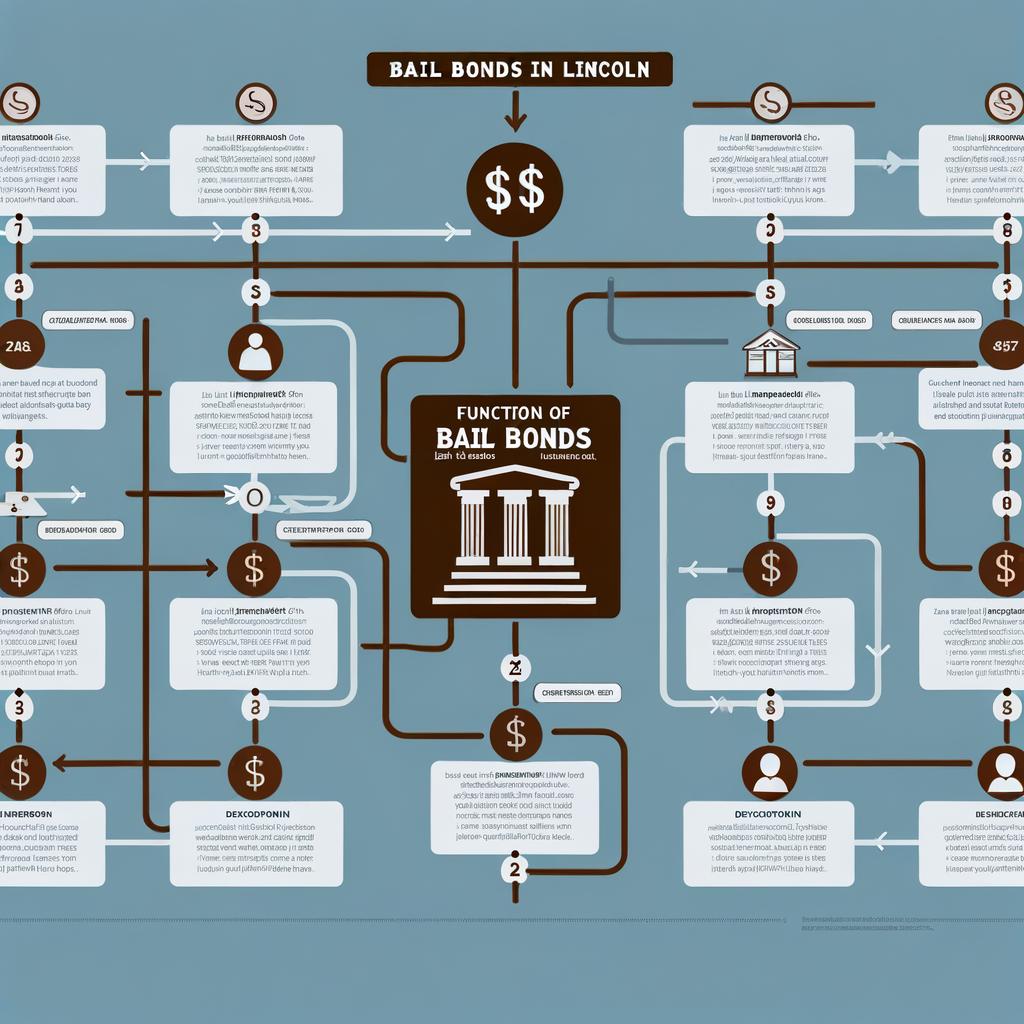
- Start with electronic consumption and e-signature for standard types, plus basic situation monitoring in a cloud system your whole team can access securely. Add text and e-mail reminders tied to the instance schedule, with templates you can change by court. Enable mobile repayments and persisting invoicing, and tighten documents to reduce chargebacks. Integrate court information where feasible to keep timetables existing, even if it starts with manual imports examined weekly. Layer in check-in tools matched to the threat level, with clear plans and acceleration actions when a customer misses a checkpoint.
Each action is worthy of a brief pilot before complete rollout. A week or more of screening with actual data will reveal friction you can not see on a demo.
Training, habits, and the human factor
The finest technology fails if it does not have fostering. Bail work brings in problem-solvers who value freedom. Educating that treats specialists like button-pushers will flop. What works is demonstrating how a tool resolves an issue they already own. As an example, stroll an agent with recovering a full e-signed packet on a phone when a replacement asks for it at the prison counter. Show exactly how a reminder avoided a missed out on court day last month. Share the Saturday early morning you did not invest chasing a lost kind since the system had it indexed.
Habits secure the gains. Close files the very same day the court fixes the case. Log phone calls inside the instance as opposed to in a personal phone. Use regular calling for documents and notes. The objective is not bureaucracy. It is to build a document you can recognize at a look months later on. When turn over occurs or an audit hits, those behaviors pay for themselves.
Insurer expectations and the economics behind the screen
Most bail agents create bonds under a surety business that establishes guidelines and monitors loss ratios. Technology creates the data insurance companies want: look rates, typical security coverage, loss treatment times, and recuperation results. Agencies that can show control over these metrics often tend to bargain much better terms. I have actually seen insurance providers loosen up collateral demands or elevate limitations for companies that verify regular performance with transparent reporting.
There is a cost side. Registration costs, hardware, training time, and the occasional job that falls short. Savvy owners track overall price versus real results. Did the brand-new settlement system lower misbehavior by a quantifiable margin? Did the court assimilation conserve enough team hours to reassign work or stay clear of employing? Does a check-in app minimize surrenders, or does it simply develop even more signals? Decisions obtain simpler when the numbers are visible.
Ethics and reputation in an electronic age
Reputation travels quicker currently. An awkward text that exposes instance details or a payment web link sent to the wrong contact can come to be a social media sites article in mins. Agencies require clear plans: never include charge details in text pointers past what is necessary, confirm identification prior to discussing a situation by phone, and stay clear of sending payment links without validating the recipient. Team must understand what to do if a customer requests help in a crisis, consisting of references for psychological health or substance use resources. These minutes define how the area views the work.
Transparency assists. Explain why you collect specific info, how you keep it, and what the client can anticipate in terms of suggestions and check-ins. When customers feel informed, cooperation enhances. Technology should make the process much less mysterious, not more opaque.
The horizon: where adjustment is coming next
Court innovation marches erratically, but the fad is clear. Much more territories are streamlining instance data, using on-line calendars, and approving e-filed files. Messaging will continue to combine, with customers expecting two-way text strings that feel like a discussion instead of a blast. Repayment devices will certainly maintain pressing costs down and authorizations much faster. On the logical side, threat models will certainly enhance, however the best agencies will remain to integrate scores with meetings and regional knowledge.
I expect development in safe and secure information exchanges in between courts, public protectors, and companies, with clear consent from clients. When everyone sees the same dates and orders, errors drop. I additionally expect a restored focus on personal privacy, driven by both regulation and customer expectation. Agencies that embrace strong security techniques currently will certainly be ahead of the curve when new regulations arrive.
Ground policies that keep technology helpful
- Choose tools that match your instance quantity and court setting, after that review them every six months to trim functions you do not use. Treat information as an obligation. Secure devices, use strong verification, and train team to identify social engineering. Keep a paper-capable contingency for those unusual days when a jail's system goes offline or a judge demands a hard copy. Tie every automation to an individual answerable for end results, whether that is payment plan health, tip success, or check-in exceptions. Measure what issues: look prices, time to post, forfeiture cures, and client fulfillment. Let those numbers guide investment.
Across every one of this, keep in mind the simple center of the job. Somebody is sitting in a cell awaiting a possibility to go home and face their instance from a location of stability. Modern technology can not transform the risks, yet it can reduce the range in between the initial telephone call and the door opening. When made use of with treatment, it helps agencies maintain their assurances, courts maintain their calendars, and clients maintain their word. That is the job. Bail bonds stay a people organization. The tools belong in solution to that fact.
ABBA Bail Bonds 900 Avila St STE 101 Los Angeles, CA 90012 (213) 296-0901 https://abbabailbonds.com